Measurement Guide
How to Measure Shoulders
Shoulder measurements can be useful for clothing sizes, jackets, dresses, tailoring, fitness tracking, and body-proportion comparisons. This step-by-step guide explains how to measure shoulder width for women and men using inches or centimeters.
Use Your Shoulder Measurement
Combine your shoulder, bust, waist, hips, height, and weight using our free Body Measurement Calculator.
Measurement Types
Different Types of Shoulder Measurements
There are several ways to measure shoulders depending on your purpose. Clothing brands, tailors, fitness professionals, and body measurement guides may use different shoulder measurements.
Shoulder Width
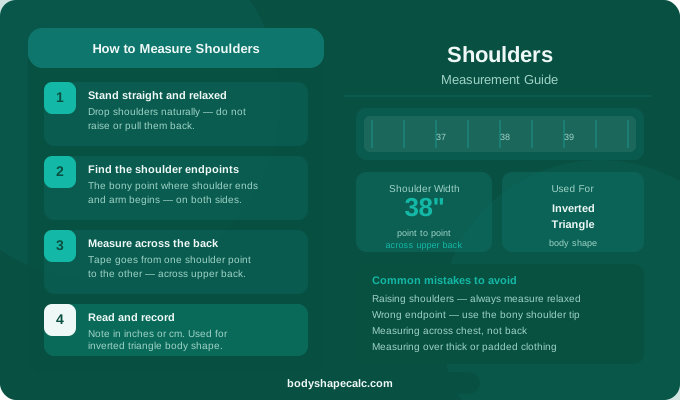
Shoulder width is the distance from one shoulder point to the other across the upper body. This is a common measurement used for clothing, tailoring, jackets, dresses, and body-proportion comparisons.
Across Shoulders
An across-shoulder measurement is taken from one shoulder point to the other across the upper back. The exact technique can vary between clothing brands and tailoring methods, so follow the measurement instructions provided for the garment.
Shoulder Circumference
Shoulder circumference measures around both shoulders and the upper chest. This measurement is less common but may be used for athletic wear, protective equipment, and certain body composition assessments.
Step by Step
How to Measure Shoulder Width Correctly
Follow these simple steps to measure your shoulders accurately at home. A flexible measuring tape and a mirror—or someone to help—will give the best results.
Step 1 — Wear fitted clothing
Wear a thin T-shirt, tank top, or fitted clothing so the shoulder bones remain easy to locate. Avoid hoodies, jackets, sweaters, or bulky garments that increase shoulder width artificially.
Step 2 — Find the shoulder points
Locate the outer edge of each shoulder bone (acromion). These are the highest bony points where your shoulder meets your upper arm. These landmarks are where your measurement begins and ends.
Step 3 — Measure from shoulder to shoulder
Stretch the tape measure from one shoulder point across your upper back to the opposite shoulder point. Keep the tape straight without wrapping around your body.
Step 4 — Stand naturally
Stand upright with relaxed shoulders and your arms hanging naturally by your sides. Do not lift, shrug, or pull your shoulders backward while measuring.
Step 5 — Read the measurement
Read the measurement where the tape reaches the opposite shoulder point. Record the number in either inches or centimeters depending on your preferred unit.
Step 6 — Measure twice
Repeat the measurement at least twice and compare the readings. If they differ noticeably, check the shoulder points and tape position, then measure again.
What Is It Used For?
What Your Shoulder Measurement Is Used For
Shoulder width is used for much more than clothing sizes. It helps with tailoring, body measurements, posture assessment, fitness progress, and body proportion analysis.
Shoulder Measurement for Body Shape
Although shoulder width is not required in our Body Shape Calculator, it helps explain why some people have broader or narrower upper bodies. For example, people with an inverted triangle body shape usually have shoulders noticeably wider than their hips, while pear body shapes have hips wider than their shoulders.
Shoulder Measurement for Clothing
Shirts, jackets, dresses, blazers, and coats all rely on accurate shoulder measurements. If the shoulders are too narrow, the garment feels tight. If they are too wide, the sleeves hang incorrectly and the clothing loses its intended fit.
Shoulder Measurement for Tailoring
Professional tailors use shoulder width as one of the most important measurements when creating custom clothing. Together with your bust, waist, and hip measurements, it creates garments that fit naturally.
Shoulder Measurement for Fitness
Fitness enthusiasts often monitor shoulder width together with chest and arm measurements to track muscle growth and body symmetry. Recording these measurements every few months provides a better picture of overall progress than relying on body weight alone.
Shoulder Measurement for Dresses
Women's dresses depend on shoulder width for comfort and appearance. Accurate shoulder measurements help prevent loose sleeves, slipping necklines, and poor overall garment balance.
Shoulder Measurement for Jackets
A properly fitted jacket should align exactly with the edge of your shoulders. If the seam extends beyond your shoulder bone, the jacket appears oversized. If it ends before the shoulder point, it feels restrictive.
No Measuring Tape?
How to Measure Shoulders Without a Tape Measure
If you don't have a flexible measuring tape, you can still estimate your shoulder width using simple household items.
String Method
Place a piece of string from one shoulder point to the other. Mark both ends, then lay the string flat and measure it using a ruler or metal tape measure. This provides a useful alternative when a cloth measuring tape isn't available.
Well-Fitting Shirt Method
Lay a shirt that fits you well on a flat surface. Measure the distance between the shoulder seams. While this method isn't as precise as measuring your body directly, it provides a useful estimate when shopping online.
Men vs Women
How to Measure Shoulders for Men and Women
The measuring technique remains the same, although shoulder proportions usually differ between men and women.
How to Measure Women's Shoulders
Women should stand naturally while wearing fitted clothing or a sports bra. Measure from one shoulder bone to the other across the upper back. This measurement is commonly used for dresses, jackets, tops, tailoring, and body proportion analysis.
How to Measure Men's Shoulders
Men measure between the two shoulder bones using the same technique. Shoulder width is widely used for shirts, blazers, suits, jackets, gym progress, and posture assessments.
Common Mistakes
Shoulder Measurement Mistakes to Avoid
Measuring to the Neck
Always measure from shoulder bone to shoulder bone—not from the neck. Starting from the neck makes the measurement much smaller than it should be.
Using Bulky Clothing
Heavy sweaters and jackets add extra width. Always wear fitted clothing for accurate results.
Standing Incorrectly
Shrugging or pulling your shoulders backward changes the natural shoulder position. Keep your posture relaxed while measuring.
Curving the Tape
The measuring tape should run in a straight line between both shoulder points instead of wrapping around your back.
Guessing Shoulder Points
Locate the shoulder bones carefully before measuring. Starting or ending in the wrong place changes the result significantly.
Measuring Only Once
Always repeat the measurement at least twice and use the average if the readings differ slightly.
Use Your Measurement
What to Do With Your Shoulder Measurement
Body Shape Calculator
Enter your body measurements to discover your body shape in seconds.
Body Measurement Calculator
Calculate body measurements, BMI, WHR, body fat percentage, and more using one free tool.
Body Type Calculator
Find your body type using body measurements and body proportions.
How to Measure Bust
Learn the correct way to measure your bust for clothing, bras, and body shape calculations.
How to Measure Waist
Measure your natural waist accurately for health, fitness, and clothing sizes.
How to Measure Hips
Learn how to measure full hips and high hips correctly for clothing and body shape.
FAQ
How to Measure Shoulders — Frequently Asked Questions
Where do you measure shoulder width?
Measure from the outer edge of one shoulder bone (acromion) straight across your upper back to the outer edge of the opposite shoulder bone. Keep the tape straight and level.
How do I measure my shoulders by myself?
Use a flexible measuring tape and stand in front of a mirror. Place one end of the tape on one shoulder bone and stretch it across your upper back to the opposite shoulder bone. A helper provides the most accurate result.
Should shoulder measurements include the arms?
No. Shoulder width is measured only from shoulder bone to shoulder bone. Your arms are not included in the measurement.
How do I measure shoulders for clothing?
Measure the straight distance between both shoulder bones while standing naturally. Clothing manufacturers use this measurement for shirts, jackets, dresses, and coats.
Can I measure shoulders without a measuring tape?
Yes. Use a piece of string to mark the distance between your shoulder bones, then measure the string with a ruler.
What is a normal shoulder width?
Shoulder width varies by age, sex, height, and body proportions. There is no single normal or ideal shoulder width that applies to everyone.
Why is shoulder width important?
Shoulder width affects clothing fit, tailoring, posture assessment, fitness tracking, and overall body proportions. It also helps explain certain body shapes, such as the inverted triangle body shape.
Should I measure over clothing?
For the best accuracy, wear thin fitted clothing or measure directly over the skin. Thick clothing can increase the measurement.
Is shoulder width used for body shape?
Body shape calculators mainly use bust, waist, and hip measurements, but shoulder width helps explain upper-body proportions and provides additional context when comparing different body shapes.
How often should I measure my shoulders?
If you're tracking fitness progress or body measurements, measuring every one to three months is usually enough to notice meaningful changes.