Body Measurement Calculator for Men & Women
Body Measurement Calculator
Use this body measurement calculator for men and women to calculate BMI, waist-to-hip ratio, waist-to-height ratio, and a tape-measure body fat estimate from your height and body measurements. You can also use your measurements to estimate your body shape. Enter your values in inches or centimeters to see your results.
Body Measurement Calculator
Enter your measurements to estimate your body shape, BMI, waist-to-hip ratio, waist-to-height ratio, hip-to-waist ratio, and tape-measure body fat percentage.
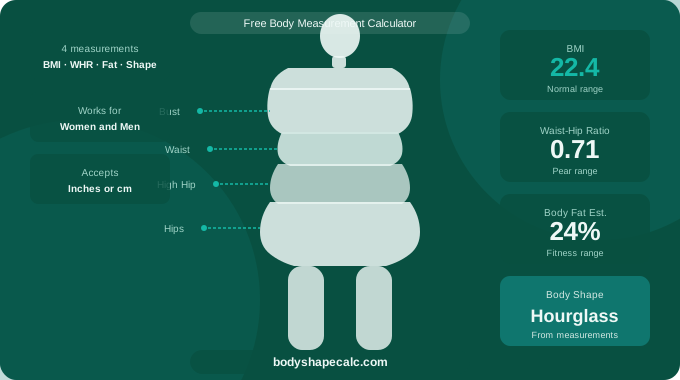
What This Calculator Shows
What This Body Measurement Calculator Calculates
This body measurement calculator combines several common measurements and calculations in one tool. Depending on the information you enter, it can provide estimates for body shape, BMI, waist-to-hip ratio, waist-to-height ratio, hip-to-waist ratio, and tape-measure body fat percentage.
Body Shape Estimate
Uses bust or chest, waist, hips, and optional high-hip and shoulder measurements to estimate the body-shape category that most closely matches the proportions you enter.
BMI (Body Mass Index)
Calculates your BMI from height and weight. BMI is a general screening measure based on weight relative to height and does not directly measure body fat or body composition.
Tape-Measure Body Fat %
Uses a tape-measure formula with height, neck, waist, and, for women, hip measurements to estimate body fat percentage. The result is an estimate and may differ from results from other body-composition methods.
Waist to Hip Ratio (WHR)
Calculates your waist-to-hip ratio by dividing waist circumference by hip circumference. The ratio describes the relative proportions between the waist and hips and can be interpreted differently depending on the context in which it is used.
Hip to Waist Ratio
Calculates the hip-to-waist ratio by dividing hip circumference by waist circumference. It is the inverse of the waist-to-hip ratio and describes the relative proportions between the hips and waist.
Waist to Height Ratio (WHtR)
Calculates waist-to-height ratio by dividing waist circumference by height using the same measurement unit. The result describes the relative proportion of waist circumference to height and may be interpreted differently depending on age, sex, and population.
Measurement Guide
How to Take Body Measurements Correctly
Consistent measurements help produce more useful estimates. Use a soft measuring tape, stand naturally, and follow the same measurement method each time.
Neck Measurement
Measure around your neck just below the larynx (voice box). Keep the tape level and comfortably snug without compressing the skin. The neck measurement is one of the inputs used by the tape-measure body fat formula for men and women.
Bust / Chest Measurement
Measure around the fullest part of your bust or chest while standing naturally. Keep the tape level and parallel to the floor without pulling it tightly. For women, measure without heavily padded clothing. This measurement is used as part of the body-shape estimate.
Waist Measurement
Measure around your natural waist while standing normally. Keep the tape level and comfortably snug without pulling it tightly, and breathe normally without sucking in your stomach. This measurement is used for the body-shape estimate, waist-to-hip ratio, waist-to-height ratio, and tape-measure body fat estimate.
Hip Measurement
Measure around the fullest part of your hips and seat while standing naturally. Keep your feet together and the tape level without pulling it tightly. This measurement is used for the body-shape estimate, waist-to-hip ratio, hip-to-waist ratio, and, for women, the tape-measure body fat estimate.
High Hip Measurement
Measure around the upper hip area, above the fullest part of the hips. Keep the tape level and comfortably snug. This measurement is optional and provides additional information about the proportions around the waist and upper hips for the body-shape estimate.
Shoulder Measurement
Measure across the widest part of your shoulders from shoulder tip to shoulder tip, or use the same shoulder measurement method consistently each time. This measurement is optional and provides additional information about upper-body proportions for the body-shape estimate.
How the Tape-Measure Body Fat Estimate Works
Tape-Measure Body Fat Calculator — Navy Method
This calculator uses a tape-measure method to estimate body fat percentage from measurements such as height, waist, neck, and hips. The calculation is an estimate and can differ from results obtained with other body-composition methods.
What measurements are used?
For men: height, neck, and waist measurements. For women: height, neck, waist, and hip measurements. The neck measurement is subtracted from the waist (men) or waist + hips (women) to estimate body fat distribution.
How accurate is it?
Tape-measure body fat estimates can differ from measurements obtained through laboratory or clinical methods. Factors such as measurement technique, body proportions, and where the tape is placed can affect the result, so this calculation should be treated as an estimate rather than an exact body-fat measurement.
What is neck measurement used for?
Neck circumference is one of the measurements used by the tape-measure formula. The result depends on the measurements entered and the formula used, so neck size should not be interpreted on its own as a direct measure of muscle mass or body fat.
⚠️ Important Disclaimer
All results from this body measurement calculator — including BMI, body fat percentage, WHR, and body shape — are general estimates for informational purposes only. They are not a medical diagnosis, clinical assessment, or substitute for professional healthcare advice. If you have any health concerns related to your body composition, please consult a qualified healthcare professional.
Body Shape from Measurements
What Your Body Measurements Say About Your Body Shape
Body shape can be estimated by comparing the proportions between measurements such as the bust, waist, high hip, and hips. Different body-shape systems use different definitions and thresholds, so the result from this calculator should be treated as an estimate based on the measurement rules used here.
Hourglass
Bust and hips are relatively balanced, while the waist is noticeably smaller. The exact proportions can vary between different body-shape classification systems.
Pear / Triangle
Hips are noticeably wider than the bust or chest, creating a more lower-body-dominant proportion. The exact threshold varies between body-shape classification systems.
Apple
The waist is relatively similar to or larger than the bust or hips, creating a more midsection-dominant proportion. Body-shape categories describe proportions and do not indicate a person's health or body composition.
Rectangle
Bust, waist, and hips are relatively similar in measurement, creating a straighter overall proportion. The exact proportions can vary between body-shape classification systems.
Spoon
Hips are wider than the bust or chest, with a more noticeable curve around the high-hip area. This category can overlap with pear-shaped proportions depending on the classification system used.
Inverted Triangle
The bust or shoulders are noticeably wider than the hips, creating a more upper-body-dominant proportion. This category can occur in different body builds and is not limited to a particular gender or fitness level.
Related Tools
Related Body Calculators
Body Shape Calculator
Find your body shape from bust, waist, high hip, hip, and optional shoulder measurements. Uses 4 measurements for a focused shape result.
Body Type Calculator
Estimate your body type using height, weight, chest or bust, waist, hips, and optional shoulder measurements.
Waist to Hip Ratio Calculator
Calculate your WHR from waist and hip measurements. Includes a waist-to-hip ratio chart for men and women.
Dress Size Calculator
Estimate your dress size from body measurements. Covers UK, US, EU, and international size conversions.
FAQ
Body Measurement Calculator – Frequently Asked Questions
Common questions about body measurements, body fat estimation, BMI, and how this calculator works.
What is a body measurement calculator?
A body measurement calculator uses your body measurements — height, weight, neck, bust or chest, waist, hips, high hip, and optional shoulders — to calculate multiple body metrics at once. This includes body shape, BMI, waist-to-hip ratio, waist-to-height ratio, and a tape-measure body fat percentage estimate.
How does this calculator estimate body fat from measurements?
This calculator uses a tape-measure formula to estimate body fat percentage from height, neck, waist, and, for women, hip measurements. For men, the calculation uses height, neck, and waist. For women, it uses height, neck, waist, and hips. The result is an estimate and can differ from measurements obtained with other body-composition methods.
What is the neck measurement used for in a body fat calculator?
Neck circumference is one of the measurements used in the tape-measure body fat formula. The calculation combines neck size with other measurements such as height, waist, and, for women, hips. Neck size should not be interpreted on its own as a direct measure of muscle mass or body fat.
Is this a female body measurement calculator?
Yes. Select "Female" before entering measurements to get female-specific body shape, BMI, waist-to-hip ratio, and body fat results. The female body fat formula uses height, neck, waist, and hips. Female body shapes identified include hourglass, pear, apple, rectangle, and spoon.
Is this a male body measurement calculator?
Yes. Select "Male" to get male-specific results. The male body fat formula uses height, neck, and waist. Male body shapes identified include rectangle, inverted triangle, apple, and pear. Adding shoulder measurement improves accuracy for male body shape results.
What is BMI and what does it measure?
BMI (Body Mass Index) is calculated from a person's weight and height. It is a general screening measure that is commonly used to categorize weight relative to height. BMI does not measure body fat directly or show how fat is distributed, and people with the same BMI can have different body compositions.
What is waist-to-height ratio and what does it mean?
Waist-to-height ratio (WHtR) is calculated by dividing waist circumference by height using the same measurement unit. A value below 0.5 is sometimes used as a general screening guideline for adults, but interpretation can vary by age, sex, and population. WHtR is a screening measure and should not be used on its own to assess an individual's health.
Can this replace a professional body composition test?
No. This calculator provides general estimates based on the measurements you enter. Professional body-composition methods use different techniques and may provide different results. Use this calculator for general informational purposes rather than as a clinical assessment or for medical decisions.
What is the high hip measurement and why does it matter?
The high hip is measured around the upper hip area, above the fullest part of the hips. It provides additional information about the proportions around the waist and upper hips. In this calculator, the high hip measurement is optional and is used as part of the rules for distinguishing between some body-shape categories.
Is my data saved when I use this calculator?
No. All calculations run entirely in your browser using JavaScript. No measurement data is sent to a server, stored, or shared with anyone. This body measurement calculator is completely free and private.