Hourglass Variation Guide
Bottom Hourglass Body Shape
A bottom hourglass is a variation of the classic hourglass shape where your hips are slightly larger than your bust, while still keeping bust and hips close in proportion and a clearly defined waist. It's still an hourglass — just with the lower body taking a slight lead over the upper body. This guide explains exactly what that means, how it's measured, and how to dress for it.
Check Your Exact Shape
Enter your measurements to find out if you're a bottom hourglass, top hourglass, or another shape entirely.
Meaning
What Does Bottom Hourglass Mean?
A bottom hourglass body shape means your hips are slightly larger than your bust, while bust and hips are still close enough in measurement to count as balanced, and your waist is clearly defined. It is one of the two common hourglass sub-types — the other being top hourglass, where the bust leads instead.
Still a true hourglass
A bottom hourglass isn't a separate body shape from hourglass — it's a sub-type. The core hourglass criteria still apply: bust and hips within roughly 5–12% of each other, and a waist at least 25% smaller than both. The hips simply edge out the bust slightly within that balanced range.
Why people search "what does it mean"
Bottom hourglass is a less commonly explained term than basic hourglass or pear, so many people land on the phrase from a quiz result or style article and want a clear, simple explanation of what it actually describes.
Not the same as pear
This is the most common mix-up. In a bottom hourglass, the hip-to-bust difference is small (within the 5–12% balanced range) and the waist is clearly defined. In pear, the hips are dramatically wider than the bust — 10–15% or more — with a narrower upper body overall.
The Numbers
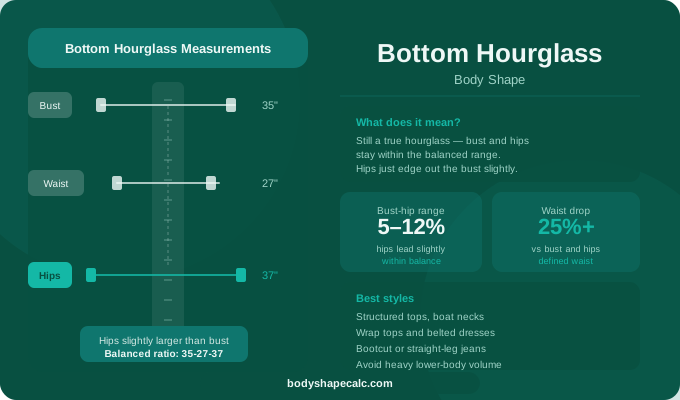
Bottom Hourglass Measurements
A bottom hourglass uses the same three core measurements as any hourglass check — bust, waist, and hips — with one extra detail: which of bust or hips is slightly larger.
Bust and hips
Both fall within roughly 5–12% of each other — the standard hourglass balance range — but your hips sit at the slightly larger end of that range compared with your bust.
Waist
Your waist is at least 25% smaller than both bust and hips, just like a classic hourglass. This is what keeps it an hourglass rather than drifting toward pear, where the waist-to-hip contrast can look different.
Example measurement set
Bust 35", Waist 27", Hips 37" — hips are about 5.7% larger than bust, both within the balanced range, and the waist is roughly 27% smaller than hips. This fits a bottom hourglass profile.
Comparison
Bottom Hourglass vs Top Hourglass
Both are hourglass shapes with bust and hips balanced and a defined waist. The only difference is which end is very slightly larger.
Bottom hourglass
Hips are slightly larger than bust, while still within the balanced hourglass range. The lower body appears very slightly more dominant, but the waist remains the most defining feature of the silhouette.
Top hourglass
Bust is slightly larger than hips, while still within the balanced hourglass range. The upper body appears very slightly more dominant, with the same defined waist as any hourglass shape.
Common Confusion
Bottom Hourglass vs Pear — How to Tell the Difference
These two get confused often because both have hips that are larger than the bust. The key is how much larger, and what the bust looks like in proportion.
Bottom hourglass
Hips are only slightly larger than bust — both measurements stay within the balanced hourglass range (roughly 5–12% apart). The bust is still substantial, not narrow, and the waist is clearly defined relative to both.
Pear
Hips are noticeably wider than bust — typically 10–15% or more. The bust and upper body read as genuinely narrow compared with the hips, not just slightly smaller. The waist is defined relative to the hips, but the overall silhouette is lower-body dominant rather than balanced.
Styling
How to Dress a Bottom Hourglass Shape
Since bust and hips are already close in proportion, the styling goal is to maintain that balance while keeping the waist as the visual focal point.
Add a touch of upper-body volume
Structured tops, boat necks, and puff sleeves add a small amount of visual width up top, nudging the silhouette back toward perfect balance without overdoing it.
Keep the waist defined
Wrap tops, belted dresses, and fitted waistlines highlight the waist, which remains the most flattering and defining feature regardless of whether bust or hips lead slightly.
Avoid heavy lower-body volume
Very full skirts, heavily pocketed bottoms, or bold patterns on the lower half can tip an already-balanced silhouette toward looking bottom-heavy. Keep bottoms relatively streamlined.
Bootcut and straight-leg jeans
These styles follow the body's natural line without adding extra width at the hip or hem, keeping the balanced hourglass proportions intact.
Fit-and-flare dresses
A fitted bodice through the waist with a flared skirt highlights the waist definition while the skirt naturally accommodates the slightly fuller hip.
V-necks and scoop necks
These necklines draw a small amount of visual attention to the upper body and bust area, helping balance a hip line that's only slightly more dominant.
Related Guides
More Hourglass and Body Shape Resources
Hourglass Body Shape Guide
The full hourglass classification, measurements, and variations including soft, athletic, top, and bottom hourglass.
Hourglass Body Shape Outfits
Complete outfit ideas for hourglass shapes — wrap dresses, fitted tops, high-waist jeans, and more.
Soft Hourglass Body Shape
What a soft hourglass body shape is and how it differs from a classic hourglass.
FAQ
Bottom Hourglass — Frequently Asked Questions
What is a bottom hourglass body shape?
A bottom hourglass is an hourglass variation where the hips are slightly larger than the bust, while both still fall within the balanced hourglass range (roughly 5–12% apart) and the waist is clearly defined — at least 25% smaller than both bust and hips.
What does bottom hourglass mean?
It means that within an otherwise balanced hourglass figure, the hip measurement edges out the bust measurement by a small margin. The waist remains the defining feature, and the shape is still classified as hourglass rather than pear.
What is the difference between hourglass and bottom hourglass?
"Hourglass" is the umbrella term for the balanced bust-hip, defined-waist shape. "Bottom hourglass" is a specific sub-type of that shape where the hips are very slightly larger than the bust, rather than perfectly equal or bust-led.
Is bottom hourglass the same as pear shape?
No. In a bottom hourglass, the hip-to-bust difference is small and both stay within the balanced hourglass range. In pear shape, the hips are noticeably wider than the bust — typically 10–15% or more — and the upper body reads as genuinely narrow rather than just slightly smaller.
What is the difference between top hourglass and bottom hourglass?
Top hourglass has the bust slightly larger than the hips. Bottom hourglass has the hips slightly larger than the bust. Both keep bust and hips within the balanced hourglass range and both have a clearly defined waist — the only difference is which end leads by a small margin.
How should I dress a bottom hourglass shape?
Keep the waist defined with wrap tops, belts, or fitted waistlines. Add a small amount of upper-body volume with structured tops or boat necks to maintain balance, and avoid heavy lower-body volume like very full skirts or bold patterns on the bottom half.